Get Block Retaining Wall Installation
Local contractors can install block retaining walls to prevent soil erosion, create level surfaces, and support landscaping or construction projects.
If you’re considering a block retaining wall installation, you’re in the right place to explore your options. Property owners often look into this type of project to improve landscape stability, create level areas for outdoor activities, or add aesthetic appeal to their property. Whether planning a new garden bed, managing erosion, or defining different sections of your yard, understanding the benefits and practical applications of retaining walls can help you make informed decisions. Keep reading to discover how local contractors can assist with your project and what factors to consider when comparing service providers in your area.
Finding the right local contractors for block retaining wall installation involves comparing experience, expertise, and the range of services offered. Many property owners seek reliable professionals who can assess their site conditions and recommend solutions tailored to their specific needs. By exploring local options, you can gain insights into the quality of work available and find service providers equipped to handle projects of various sizes and complexities. Continue exploring your options to connect with experienced specialists who can bring your vision for a functional and attractive landscape feature to life.
- Residential landscaping projects - when homeowners need to create level yards or prevent soil erosion around their property.
- Commercial property improvements - for businesses seeking to reinforce retaining walls around parking lots or building foundations.
- Garden and outdoor space upgrades - when gardeners or landscapers require durable structures to support terraces or planting beds.
- Erosion control solutions - in areas prone to soil movement that require sturdy barriers to protect the landscape.
- Property boundary enhancements - when property owners want to define or secure their lot lines with stable retaining structures.
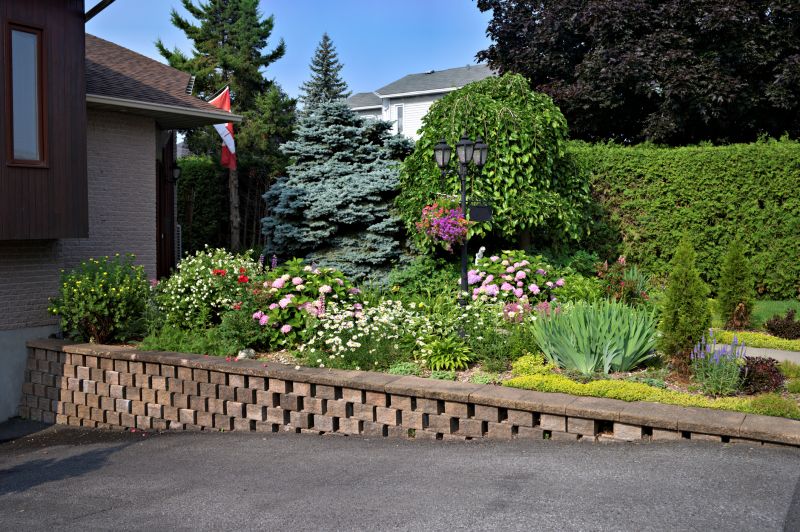
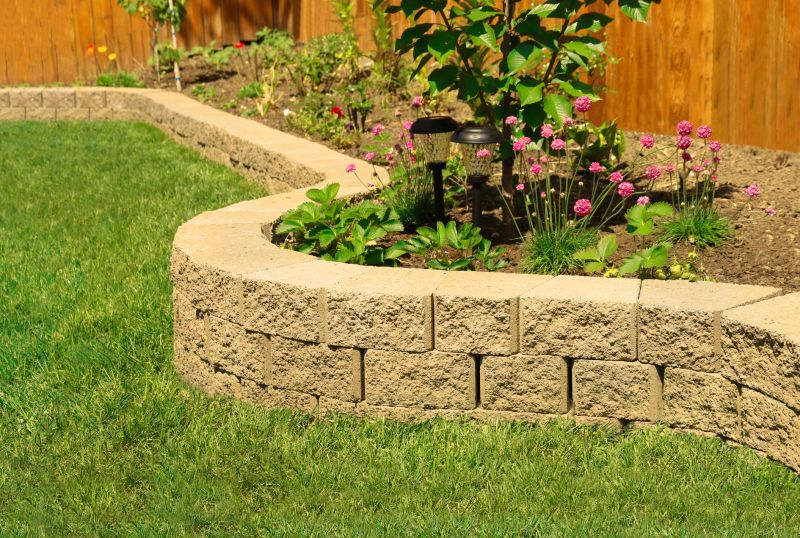
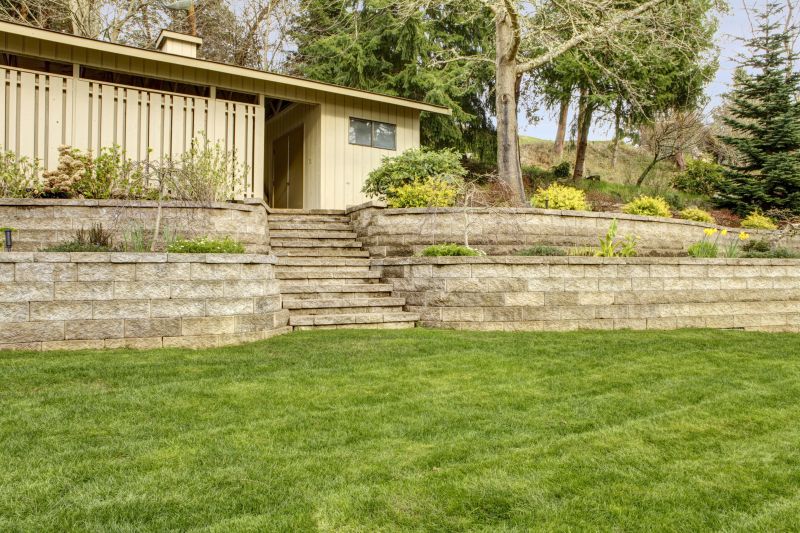
Block retaining wall installation involves constructing a sturdy barrier designed to hold back soil and prevent erosion on sloped or uneven land. This service typically includes selecting appropriate materials, preparing the site, and carefully assembling the blocks to ensure stability and durability. The goal is to create a functional and visually appealing structure that enhances the landscape while providing effective support for different terrain levels. Local contractors who specialize in this work can help homeowners design and build a retaining wall that meets their specific needs and complements the property's overall appearance.
Many property owners turn to block retaining walls to address common issues such as soil erosion, landscape instability, or the need to create level areas for outdoor features like gardens, patios, or walkways. These walls are especially useful in areas with heavy rainfall or uneven terrain, where soil may shift or wash away over time. Installing a retaining wall can also help prevent damage to structures, improve drainage, and increase usable outdoor space. When homeowners notice signs of soil movement or erosion, or want to develop a more functional landscape, professionals who install block retaining walls can provide effective solutions.
This service is often used on residential properties with sloped yards, hillside gardens, or uneven backyards that require leveling for safety or aesthetic purposes. It is also common on commercial properties needing to stabilize soil around parking lots or landscaping features. Properties with challenging terrain, such as rocky or heavily compacted soil, may benefit from the added support and structure that a block retaining wall offers. Homeowners and property managers looking to improve their landscape’s stability and appearance frequently seek out local contractors experienced in installing these durable structures.
Choosing a block retaining wall is a practical option for many property types needing soil retention, erosion control, or landscape enhancement. These structures are versatile and can be customized to fit various styles and sizes. Whether used to create terraced gardens, support hillside landscapes, or define property boundaries, a well-installed retaining wall can make a significant difference in both function and visual appeal. Contacting local service providers can help property owners find the right solutions for their terrain challenges and ensure the job is done with quality and attention to detail.
The overview below groups typical Block Retaining Wall Installation projects into broad ranges so you can see how smaller, mid-sized, and larger jobs often compare in your area.
In many markets, a large share of routine jobs stays in the lower and middle ranges, while only a smaller percentage of projects moves into the highest bands when the work is more complex or site conditions are harder than average.
Smaller Repairs - Typical costs for minor block retaining wall repairs or additions usually range from $250-$600. Many routine jobs fall within this middle range, depending on the extent of work needed. Fewer projects will push into higher cost tiers.
Basic Installation - Installing a new, straightforward block retaining wall generally costs between $1,500 and $3,500. Local contractors often handle these projects within this range, though larger or more complex installations can be higher.
Mid-Size Projects - Larger retaining walls with additional features or challenging terrain tend to cost from $4,000 to $8,000. These projects are common for mid-scale landscaping needs but can vary based on size and site conditions.
Full Replacement or Complex Projects - Extensive or highly customized retaining wall installations can exceed $10,000, with some larger or intricate projects reaching $20,000 or more. Such projects are less common but represent the upper end of typical costs for comprehensive work.
Actual totals will depend on details like access to the work area, the scope of the project, and the materials selected, so use these as general starting points rather than exact figures.
Landscape Garden Wall Construction - This project involves building walls to define garden spaces, requiring similar masonry skills and planning as block retaining walls.
Terrace and Patio Wall Installation - Creating outdoor terraces and patios often involves installing durable walls with similar tools and techniques used in retaining wall projects.
Erosion Control Wall Projects - Installing walls to prevent soil erosion demands expertise in site assessment and wall construction comparable to block retaining wall work.
Slope Stabilization Wall Systems - Stabilizing hillside slopes with specialized walls shares planning and structural considerations with retaining wall installation.
Driveway and Entryway Wall Construction - Building decorative or functional walls at driveways and entry points involves similar masonry skills and material handling.
Garden Bed and Border Wall Projects - Constructing borders and raised beds with durable materials requires techniques akin to those used in retaining wall installation services.
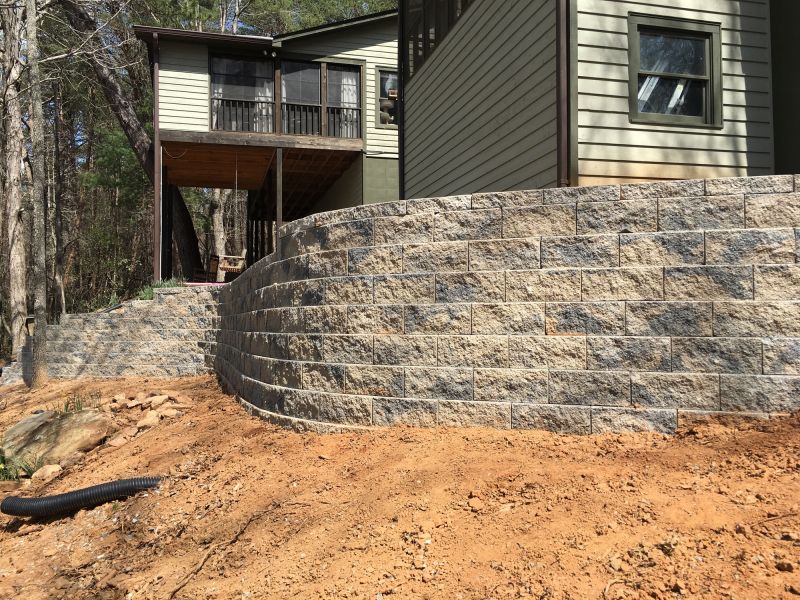
When evaluating potential contractors for a block retaining wall installation, it’s important to consider their experience with similar projects. Homeowners should inquire about the types of retaining walls they have built in the past and ask for examples or references that demonstrate their ability to handle the specific scope and complexity of the work. An experienced service provider will have a clear understanding of the challenges involved and be better equipped to deliver a durable, well-constructed wall that meets the homeowner’s needs.
Clear, written expectations are essential to ensure that both parties are aligned on the project’s scope, materials, and outcomes. Homeowners should seek service providers who can provide detailed proposals or estimates that outline the work to be performed, materials to be used, and any relevant specifications. This documentation helps prevent misunderstandings and provides a basis for comparing different local contractors on the quality and comprehensiveness of their proposals.
Reputable references and good communication are key indicators of a reliable service provider. Homeowners are encouraged to ask for contact information of previous clients or reviews that speak to the contractor’s professionalism and quality of work. Additionally, effective communication throughout the process - including responsiveness to questions and clarity in explanations - can greatly influence the overall experience. It’s important to remember that the site introduces homeowners to local options that can handle the work, but the actual installation will be performed by the selected service provider, making careful comparison and due diligence all the more important.
Property owners use Block Retaining Wall Installation services for practical projects around their homes and businesses. This guide focuses on everyday jobs and straightforward project options.
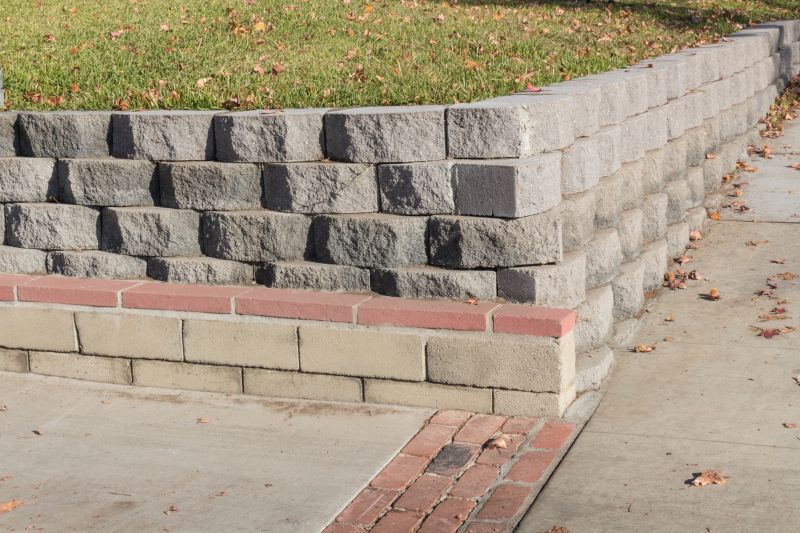
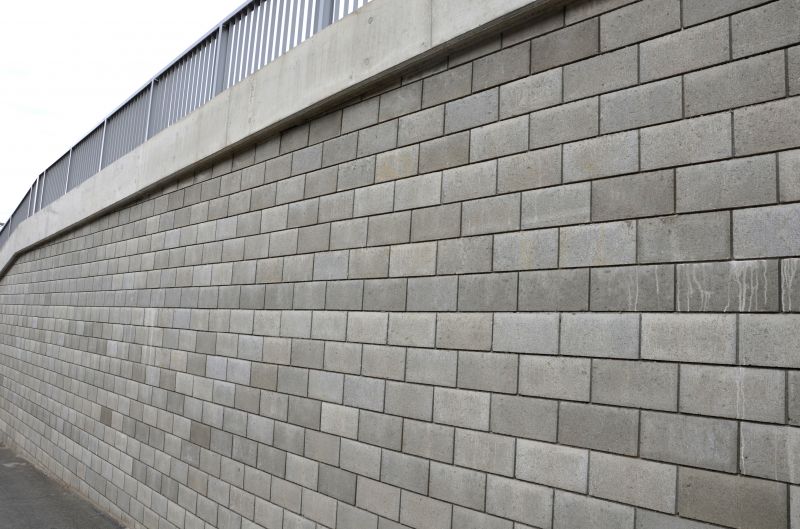
Property owners in the area often seek block retaining wall installation when they need to manage uneven terrain or prevent soil erosion around their yards. These projects are common in situations where landscaping or garden designs require level areas or defined boundaries. Local contractors can provide the expertise needed to build sturdy, functional walls that enhance the landscape’s appearance while providing practical solutions for property stability.
Additionally, many property owners look for retaining wall services to improve outdoor aesthetics or create additional usable space. Whether for terracing a hillside, supporting garden beds, or adding decorative features, local service providers can help design and install walls that complement the property’s style. These projects are often driven by the desire to maximize outdoor space or address drainage concerns, making professional installation a practical choice.
What are block retaining walls used for? Block retaining walls are typically used to hold back soil, prevent erosion, and create level areas in landscaping or construction projects.
What materials are commonly used for block retaining walls? Common materials include concrete blocks, natural stone, and other durable, weather-resistant materials suitable for structural support.
How long do block retaining walls usually last? With proper installation and maintenance, block retaining walls can last for many years, often decades, depending on materials and environmental conditions.
Can block retaining walls be built on slopes? Yes, block retaining walls are often designed to accommodate slopes and uneven terrain, providing stability and preventing soil movement.
What should be considered when choosing local contractors for block retaining wall installation? It’s important to select experienced service providers who specialize in retaining wall construction, have good reviews, and are familiar with local soil and weather conditions.
Garden Landscaping - A property owner can use a block retaining wall to create defined garden beds or terraced planting areas for better organization and aesthetic appeal.
Erosion Control - Local contractors can help stabilize slopes and prevent soil erosion on uneven or hilly properties with durable retaining walls.
Patio or Outdoor Living Space - Installing a retaining wall can provide a level foundation for expanding outdoor patios or seating areas for family gatherings.
Property Boundary Definition - Retaining walls can be used to clearly mark property lines or separate different zones within a yard for privacy and organization.
If you are thinking about Block Retaining Wall Installation for a property, this guide is meant to help you understand the work, the typical project types, and how different options might fit your plans.
When you are ready, you can use the quote form on this page to share a few details about your project. From there, local pros can review the basics and respond with options that match what you have in mind.